


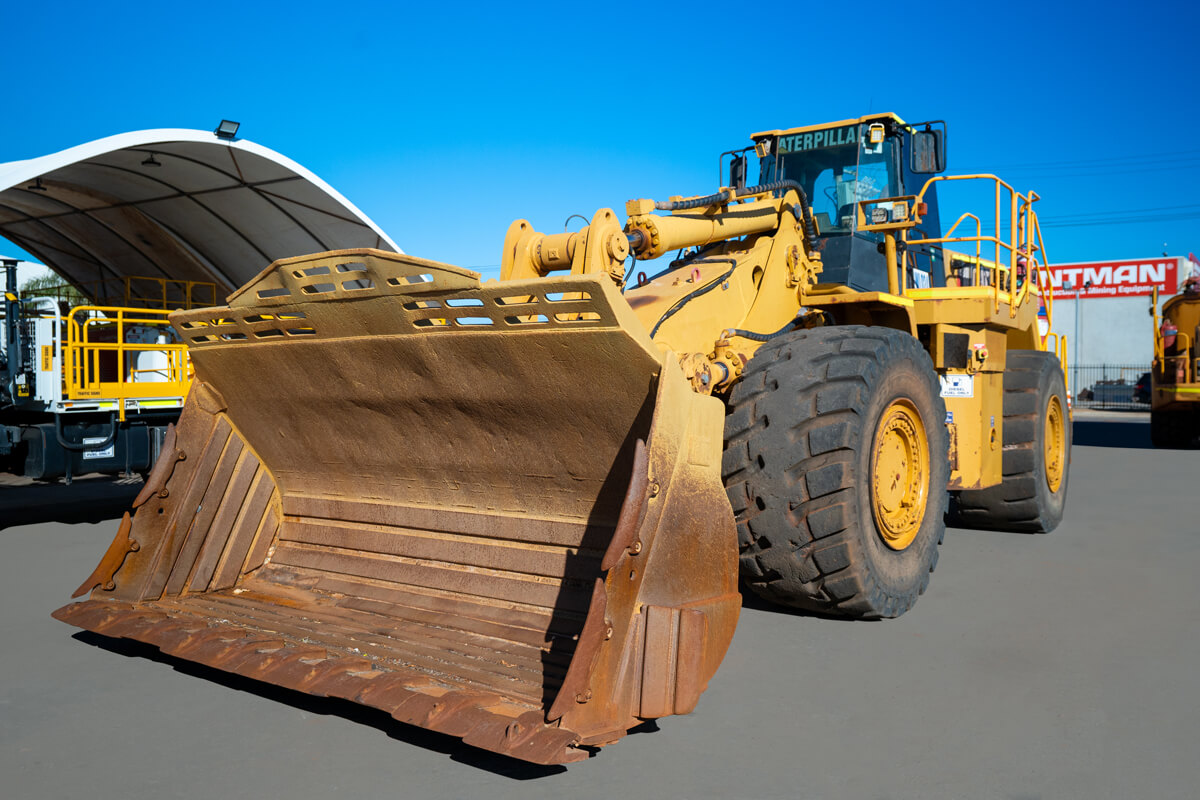
Wheel loaders are essential to the success of many construction and mining projects. They move materials, prepare sites, and keep operations running smoothly. With tighter schedules and budgets, getting the most out of your wheel loader is critical. At Plantman, we combine deep industry experience with practical solutions to help operators and site managers improve productivity, safety, and machine longevity.
This guide shares straightforward, actionable advice for maximising wheel loader efficiency on your site.
- Understanding Wheel Loader Productivity
- Pre-Operational Checks: Start Right, Stay Safe
- Efficient Operating Techniques
- Optimising Worksite Layout and Planning
- Routine Maintenance for Peak Performance
- Leveraging Technology and Attachments
- Operator Training and Continuous Improvement
- Plantman’s Wheel Loader Solutions
- Conclusion
Understanding Wheel Loader Productivity
Productivity is about more than just moving material quickly-it’s about doing so efficiently, safely, and with minimal wear on your equipment, factors to consider:
- Cycle Time: How long it takes to complete one load and dump.
- Bucket Fill Factor: How full the bucket is each cycle.
- Fuel Consumption: Efficiency impacts operating costs.
- Machine Uptime: Availability of the loader without breakdowns.
Improving these metrics requires balancing speed with safe, efficient operation to reduce wear and fuel use.
Pre-Operational Checks: Start Right, Stay Safe
Before each shift, a thorough inspection prevents downtime and accidents:
- Tyres: Check pressure, tread, and damage for stability and fuel efficiency.
- Fluids: Ensure engine oil, hydraulics, coolant, and fuel are at correct levels.
- Hydraulics: Look for leaks or worn hoses.
- Bucket and Attachments: Inspect for cracks, wear, and secure fittings.
- Safety Features: Test lights, alarms, seat belts, and cameras.
These checks ensure your loader is ready to perform at its best from the start.
Efficient Operating Techniques
Smooth, deliberate operation boosts productivity and extends machine life:
- Smooth Movements: Avoid sudden starts, stops, and turns to reduce spillage and wear.
- Bucket Loading: Approach material head-on and keep the bucket level for maximum fill.
- Minimise Travel: Position loaders and trucks to shorten haul distances.
- Controlled Dumping: Raise the bucket only as high as needed to unload safely and quickly.
- Transmission Use: Select gears suited to terrain and load to optimise power and fuel use.
Mastering these techniques helps operators work faster and safer.
Optimising Worksite Layout and Planning
A well-planned site reduces wasted time and improves safety:
- Short Haul Routes: Keep travel between loading and dumping points as short as possible.
- Clear Traffic Flow: Separate loader and haul truck paths to avoid congestion.
- Strategic Stockpiles: Place materials for easy access and efficient loading.
- Adequate Manoeuvring Space: Ensure enough room for safe, smooth operation.
Good site design supports productivity and reduces equipment wear.
Routine Maintenance for Peak Performance
Regular maintenance keeps your wheel loader reliable and efficient:
- Lubrication: Grease all pivot points and moving parts regularly.
- Fluid and Filter Changes: Follow manufacturer schedules for oil, hydraulic fluids, and filters.
- Tyre Care: Monitor wear and rotate tyres to maintain traction.
- Cleaning: Keep radiators, air filters, and cabs clean to prevent overheating.
- Component Checks: Regularly inspect brakes, steering, and electrical systems.
Proactive maintenance reduces breakdowns and downtime.
Leveraging Technology and Attachments
Modern wheel loaders come equipped with technology and attachments that can make a real difference in productivity.
- Telematics: Track performance, fuel use, and maintenance needs in real time.
- Load Weighing: Ensure accurate bucket loads to avoid overloading or underloading.
- Quick Couplers: Switch attachments fast to adapt to different tasks.
- Advanced Controls: Features like ride control and auto-level help operators work more precisely.
Plantman offers customised builds and attachments to suit your specific project needs.
Operator Training and Continuous Improvement
Even the best equipment needs skilled operators to deliver peak productivity.
- Initial Training: Ensure operators understand controls, safety, and efficient techniques.
- Refresher Courses: Keep skills sharp and up to date with new technology.
- Performance Monitoring: Use data and feedback to identify improvement areas.
- Promote Best Practices: Encourage a culture of safety, efficiency, and accountability.
Investing in operator development pays off with higher productivity and safer worksites.
Plantman’s Wheel Loader Solutions
Whether you need to purchase or rent, Plantman provides quality wheel loaders tailored to your project. Our expert team supports you with:
- Reliable equipment and custom builds
- Comprehensive servicing and parts availability
- Flexible rental options, including short-term hire in Perth and beyond
We work closely with you to find the right solution that maximises your operational efficiency.
Conclusion
Maximising wheel loader productivity requires a holistic approach: effective operating techniques, smart site planning, regular maintenance, technology adoption, and skilled operators. By focusing on these areas, you reduce costs, minimise downtime, and extend machine life-delivering better results for your projects, read more on how to optimise your wheel loader here. At Plantman, we combine expertise with practical solutions to help you get the most from your equipment. Contact us today to discuss how we can support your wheel loader needs and keep your site running safely and efficiently.



Now that I’ve found Plantman and they’re local which is a bonus, I won’t need to look elsewhere. They also have an extensive range of equipment that suits our requirements for servicing the mining industry. I have no hesitation in recommending Plantman to any of our clients. Well Done!!!