

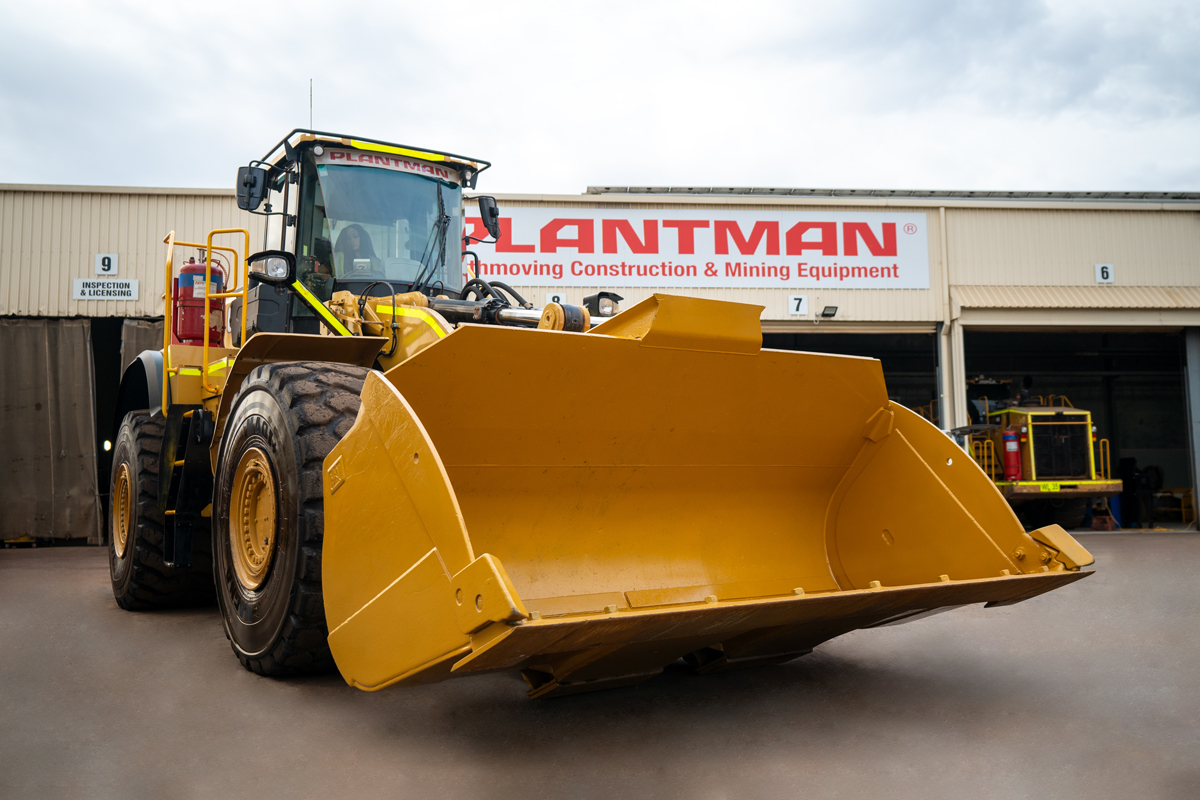
Fuel is one of the biggest controllable costs in load and carry work. If your wheel loader is idling too much, spinning tyres, travelling further than it needs to, or running with restrictions and heat load, you will see it in your fuel bill.
This guide is built for real Australian site conditions. It is practical, straight up, and focused on actions you can actually measure. The goal is simple: improve wheel loader fuel economy mining performance without giving away tonnes.
For a broader view across fleets, see: reduce fuel for heavy equipment.
- Quick takeaways
- What fuel efficiency looks like on a mine site
- The biggest fuel drains we see with wheel loaders
- Operator loader fuel saver habits that still move tonnes
- Loader maintenance that directly affects fuel per tonne
- Workflow changes that often deliver the biggest wins
- A simple 2 week plan to prove what works
- Ready to cut fuel burn without losing production?
- Important note
Quick takeaways
If you only do a few things, start here:
- Cut non productive idle first. It is often the fastest win and the easiest to track.
- Judge fuel properly using litres per tonne and keep an eye on tonnes per hour so production stays protected.
- Treat loader maintenance as part of your fuel plan, not a separate job. Restrictions, cooling demand, tyres, contamination and drag all cost fuel.
- Run a simple baseline and trial over 2 weeks so you know what actually worked on your site, not what sounds good on paper.
What fuel efficiency looks like on a mine site
Most people talk about litres per hour, but on a mine site the question is usually, “What did it cost us to move the material?”
Track a small set of numbers together:
- Litres per hour (L/hr): good for spotting idle creep and machine condition issues
- Idle percentage: highlights wasted engine time
- Litres per tonne (L/t) or litres per BCM: links fuel to output
- Tonnes per hour (t/hr): keeps productivity honest
If you need a single metric to report, use litres per tonne, backed by tonnes per hour.
The biggest fuel drains we see with wheel loaders
These are the usual suspects. None are complicated, but they add up across shifts.
1) Non productive idle
Queueing, waiting for trucks, congestion at load out, radio time, handovers that drift. If the engine is running and the loader is not moving material, that is where you start.
What to look for
- Idle percentage trending up week to week
- Same job, same conditions, very different fuel outcomes by shift or operator
- Load out areas where waiting has become normal
2) Wheel spin and aggressive pile attack
If the loader is breaking traction, you are burning fuel and tyres for no benefit. You also usually lose bucket consistency.
What to look for
- Slip marks around the face or stockpile
- Operators taking multiple bites to get the bucket filled
- Tyre wear patterns that suggest repeated spin
3) Underfilled buckets and inconsistent fill factor
More cycles means more travel, more engine hours, more fuel per tonne.
What to look for
- Inconsistent payload if a system is fitted
- More passes per truck than expected
- Operator to operator differences that cannot be explained by material
4) Rehandling and unnecessary travel
Extra touches and long loops are brutal on litres per tonne.
What to look for
- Stockpile layout forcing awkward turns and long travel paths
- Congestion points that create repeated waiting and rework
- Material moved multiple times before final load out
5) Machine condition issues that quietly raise fuel burn
Restrictions, cooling load, tyre setup, contamination, drag and hydraulic inefficiency can all lift fuel use without any obvious change in the job.

Operator loader fuel saver habits that still move tonnes
Operator technique matters because it touches everything: bucket fill, cycle time, idle, and wheel spin.
Reduce non productive idle without creating risk
The aim is not to rush. It is to remove waiting and habits that do nothing for the job.
- Agree on what “productive idle” is for the task
- Target non productive idle first
- Use idle management features where available, set up to suit the duty cycle
Safety still comes first. Safe Work Australia is a sensible reference point for workplace safety.
Improve bucket fill consistency through control, not aggression
- Smooth approach and controlled entry into the pile
- Avoid ramming and spinning to fill
- Repeatable cycles beat fast messy cycles every time
Stop burning fuel on corrections
A lot of fuel gets wasted in micro moves:
- Over travelling to line up
- Repositioning at the truck
- Tight turns and repeated corrections
- Waiting in congested lanes
For a productivity lens that pairs well with fuel efficiency, see: wheel loader productivity tips for operators.
Loader maintenance that directly affects fuel per tonne
Fuel efficiency is often a by-product of a loader that is running right. Here is where maintenance usually pays back.
Air intake and filtration
In dusty conditions, restriction and poor sealing can show up quickly.
- Inspect filters and intake paths to suit your conditions
- Check sealing integrity to prevent dust bypass
Cooling pack cleanliness and airflow
Hot and dusty conditions can drive cooling demand. Keep airflow where it should be.
- Maintain cooling pack cleanliness
- Check shrouds and seals so air does not take the easy way around
Tyres and rolling resistance
Tyre pressure and wear affect rolling resistance and traction. That means fuel and tyre cost together.
- Keep a consistent tyre pressure routine
- Watch wear patterns that suggest slip or misalignment
Fuel quality and contamination controls
Poor fuel handling can lead to compounding problems. Keep the basics tight.
If you want to tighten up fuel handling, have a look at Plantman’s guide on reducing diesel contamination. For day to day discipline, these daily wheel loader maintenance tips are a good place to start.

Workflow changes that often deliver the biggest wins
Fuel is not just a machine problem. It is usually a workflow problem.
Stockpile and face layout
If you can reduce rehandling and awkward approaches, you can often take a meaningful chunk out of litres per tonne.
Loader and truck interface
- Improve truck positioning to reduce loader manoeuvring
- Reduce queueing and waiting with the engine running
- Clarify traffic flow and right of way
For a bit of broader perspective, the Australian Government has practical guidance on energy efficiency at energy.gov.au. For mining focused context and industry resources, AusIMM is also worth a look.
A simple 2 week plan to prove what works
If you want to stop guessing, do this.
Week 1 baseline
Record:
- L/hr
- Idle percentage
- L/t or L/BCM
- Tonnes per hour
- Notes on task type, distance, material condition, congestion
Week 2 trial
Implement 3 to 5 changes:
- 1 to 2 operator changes
- 1 to 2 maintenance changes
- 1 workflow change
Review
Keep the changes only if litres per tonne improves while tonnes per hour is protected.
Ready to cut fuel burn without losing production?
- Request a loader efficiency discussion
- Enquire about wheel loader availability (rental or purchase)
If you are weighing short term hire versus ownership, see: renting a wheel loader.
Important note
Always follow site procedures and OEM recommendations. This article is general information and should be adapted to your fleet, conditions, and risk controls.
Last reviewed: January 2026
Sources:
- The Ultimate Guide to Reduce Fuel for Heavy Equipment
- 5 Important Tips for Daily Wheel Loader Maintenance
- Maximising Wheel Loader Productivity: Practical Tips for Operators
- 11 Tips for Reducing Diesel Contamination
- Everything You Need to Know About Renting a Wheel Loader
- energy.gov.au
- Safe Work Australia
- AusIMM



Now that I’ve found Plantman and they’re local which is a bonus, I won’t need to look elsewhere. They also have an extensive range of equipment that suits our requirements for servicing the mining industry. I have no hesitation in recommending Plantman to any of our clients. Well Done!!!